
How to Use Technical Analysis for Profitable Trades
 By James Carter
Technical analysis is a powerful tool for traders looking to identify profitable opportunities in the stock market. By analyzing price movements and patterns, traders can make informed decisions based on historical data.
What is Technical Analysis?
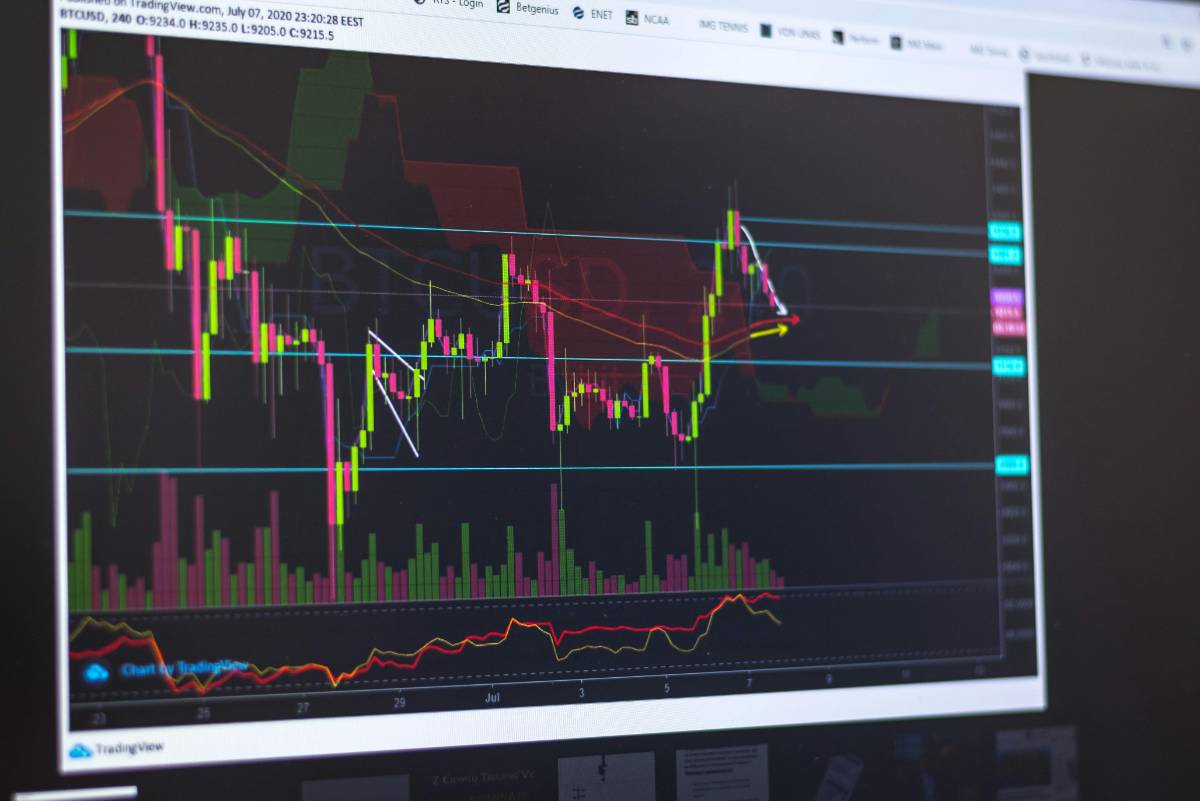
Technical analysis involves studying price charts, indicators, and market trends to predict future price movements. Unlike fundamental analysis, which looks at company financials, technical analysis focuses on market psychology and trading volume.
Patterns such as head and shoulders, triangles, and support/resistance levels play a crucial role in forecasting potential price trends.
Key Technical Indicators

Several indicators help traders analyze market trends, including:
Moving Averages: Help smooth out price fluctuations to identify trends.
Relative Strength Index (RSI): Measures momentum and overbought/oversold conditions.
MACD (Moving Average Convergence Divergence): Identifies trend reversals and momentum shifts.

Bollinger Bands: Measure market volatility and potential breakout points.
How to Apply Technical Analysis
Traders use technical analysis to determine entry and exit points. By identifying key support and resistance levels, traders can minimize risk while maximizing profit potential.
Candlestick patterns, volume analysis, and moving averages help confirm trading signals and improve decision-making.
You might also like
1. ETFs vs. Mutual Funds: Which is Right for You?2. Car Insurance in the US: What You Need to Know Before You Buy3. Understanding the U.S. Financial System: A Complete Guide4. The Pros and Cons of Investing in Gold and Precious MetalsCommon Mistakes to Avoid
While technical analysis is useful, traders should avoid common pitfalls such as:
Overanalyzing charts and indicators, leading to decision paralysis.
Ignoring risk management strategies like stop-loss orders.

Relying solely on technical signals without considering market sentiment.
Conclusion
Technical analysis is an essential skill for traders seeking to improve their market timing and profitability. By learning key indicators, applying disciplined strategies, and managing risks, traders can increase their chances of success in the financial markets.
About the author
By James CarterJames Carter is a seasoned finance writer with over 8 years of experience helping millennials and Gen Z take control of their money. With a background in economics and a passion for demystifying complex financial concepts, Ananya shares actionable tips on budgeting, investing, and building long-term wealth. Her mission is to make financial literacy accessible, relatable, and empowering — no jargon, just smart money moves.
More like this

Government Policies and Their Effect on Personal Finances
Government policies play a crucial role in shaping personal finances, influencing everything from taxes and interest rates to employment opportunities and social benefits. Understanding these policies can help individuals make informed financial decisions.

The Role of Cryptocurrencies in the American Financial System
Cryptocurrencies have become an integral part of the American financial system, influencing investment strategies, payment solutions, and regulatory policies. As digital assets gain mainstream acceptance, their impact continues to grow.

How to Build a Strong Investment Portfolio in the U.S.
Building a strong investment portfolio requires strategic planning, diversification, and a clear understanding of financial goals. A well-structured portfolio helps manage risk while maximizing returns over time.

Best High-Yield Savings Accounts in the USA
High-yield savings accounts offer a great way to grow your money with competitive interest rates while maintaining easy access to your funds. Choosing the right account can help maximize your savings potential.

Personal Finance Tips for Managing Debt in the U.S.
Managing debt effectively is crucial for financial stability. By implementing smart strategies, individuals can reduce their financial burden and work toward a debt-free future.

The Impact of Interest Rate Changes on Loans and Mortgages
Interest rates play a crucial role in determining the cost of borrowing money for loans and mortgages. Changes in interest rates can significantly impact monthly payments, affordability, and long-term financial planning.

Understanding Credit Scores: How to Improve Yours
Your credit score plays a crucial role in financial health, affecting loan approvals, interest rates, and even job opportunities. Understanding how credit scores work and how to improve them can lead to better financial stability.

Retirement Planning: Best Strategies for Americans
Planning for retirement is essential to ensure financial security in later years. By adopting smart strategies, Americans can build a comfortable nest egg and enjoy financial independence.

How Inflation Affects Your Savings and Investments
Inflation erodes the purchasing power of money, making it a crucial factor for savers and investors. Understanding how inflation impacts savings and investments can help you make informed financial decisions.

The Future of Banking in the U.S.: Digital vs. Traditional
The U.S. banking industry is undergoing a major transformation with the rise of digital banking. Traditional banks face increasing competition from online financial institutions, leading to a shift in how consumers manage their money.

Managing Debt in the USA: Tips for Financial Freedom
Debt can be a major financial burden, but with the right strategies, you can regain control and achieve financial freedom. Understanding how to manage and reduce debt effectively is key to long-term financial stability.

Top Investment Opportunities in the U.S. for 2025
The U.S. investment landscape is evolving rapidly, offering new opportunities across various sectors. As 2025 approaches, investors can explore emerging trends and strategic investments to maximize their financial growth.